Super Nintendo Baby / New-Style Super NES - history, design and legacy of a compact revision
Nintendo's compact 1997 SNES revision cut costs, kept cartridge compatibility, and became a collector favorite.

By GANM OLS Editorial Team
GANM OLS Editorial
Updated: March 23, 2026 at 06:20 PM
The Super Nintendo Entertainment System (SNES) was a defining force in the 16-bit era, dominating the early 1990s with a library of over 1 700 games and classics like Super Mario World, The Legend of Zelda: A Link to the Past and Chrono Trigger. As the Nintendo 64, Sega Saturn and PlayStation ushered in the 32-bit generation, Nintendo sought to keep the SNES relevant by offering a cheaper version of its aging hardware. The result was the New-Style Super NES, informally called Super Nintendo Baby in Brazil, released in 1997.
Below we explore the console's history, market context, design differences and cultural impact to help explain why the "Baby" model remains beloved.
Context and reasons for the redesign
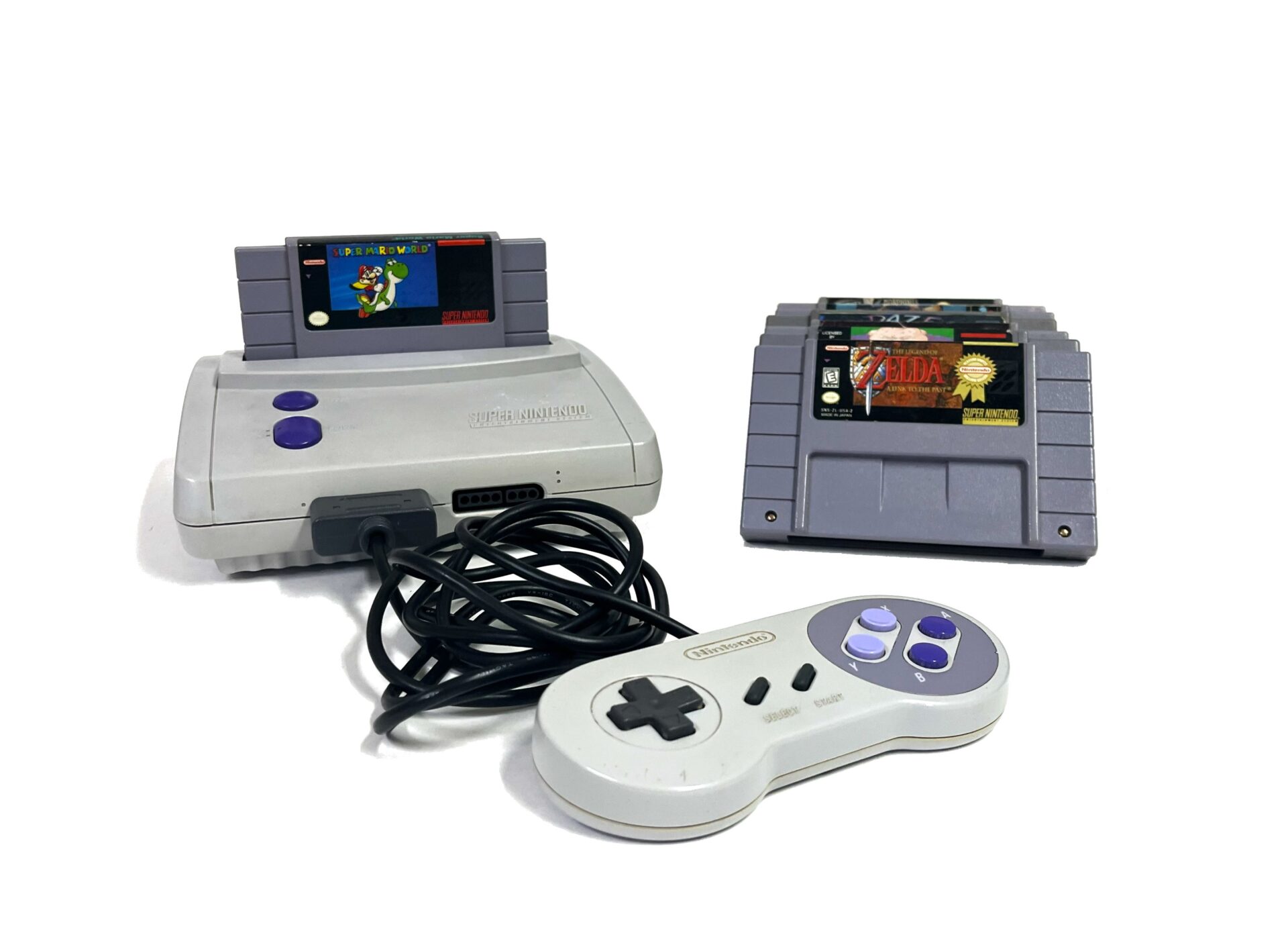
During the early 1990s, the SNES battled the Sega Genesis/Mega Drive for dominance but ultimately became synonymous with high-quality games. Over its lifespan, 1757 official SNES titles were released - 717 in North America, 521 in Europe and 1 448 in Japan. When 32-bit systems entered the market, the SNES was considered expensive for newcomers.
In 1997, Nintendo introduced a cost-reduced model to extend the system's lifespan and attract budget-conscious gamers. It aimed to retain the fan base and clear game inventories while the Nintendo 64 gained momentum. The redesign also addressed the surge of counterfeit machines in Asia, particularly in Japan.
Development and release
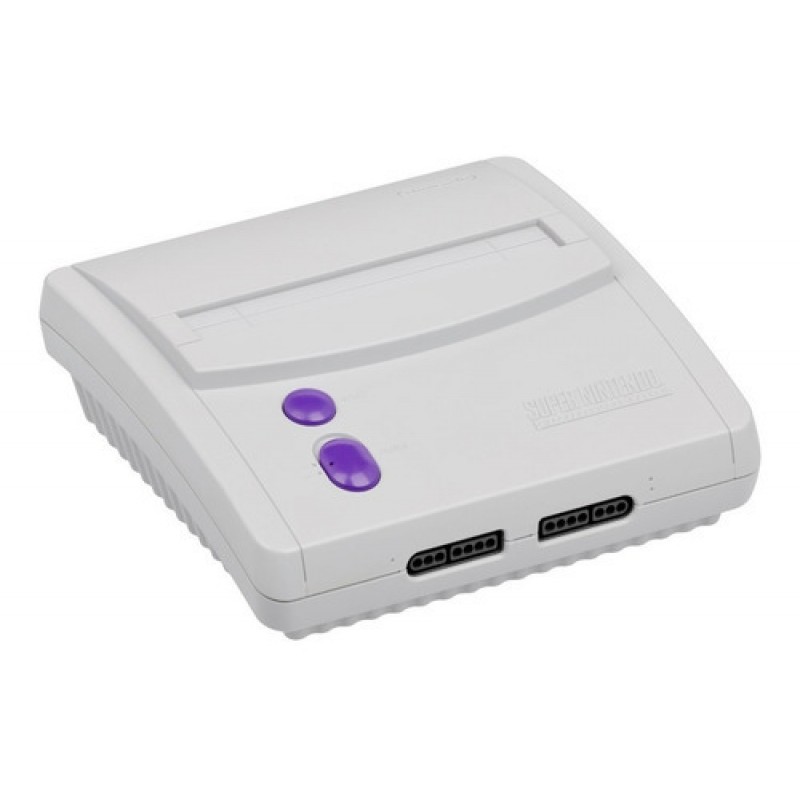
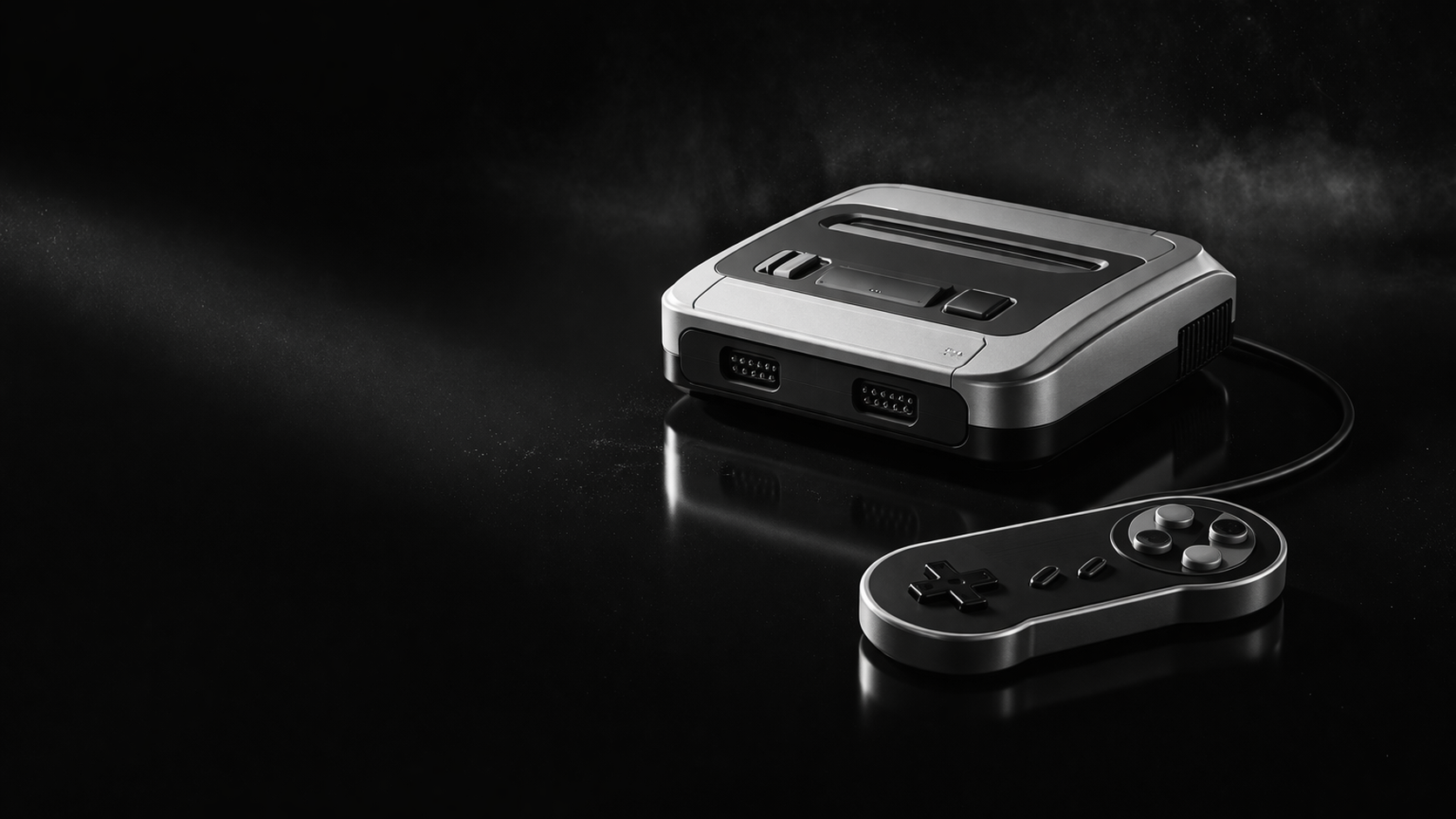
The New-Style Super NES (SNS-101) was designed by Lance Barr, who shaped Nintendo's Western consoles. The unit blended visual elements from the American and Japanese SNES versions into a smaller, rounded case. Manufacturing costs were reduced by consolidating components into a system-on-a-chip (SoC) and removing non-essential parts.
The console debuted in North America on October 20 1997 at a suggested price of US$ 99.95. It was sold alone or bundled with celebrated games such as Super Mario World 2: Yoshi's Island, The Legend of Zelda: A Link to the Past (a Target exclusive) and Kirby Super Star. Nintendo marketed the model as an affordable entry point compared with the more expensive Nintendo 64.
In Japan, the system - named Super Famicom Jr. (SHVC-101) - launched on March 27 1998 for Y7 800. It was largely identical but used grey buttons and maintained the original Super Famicom aesthetic. There was no official European release.
Key design differences
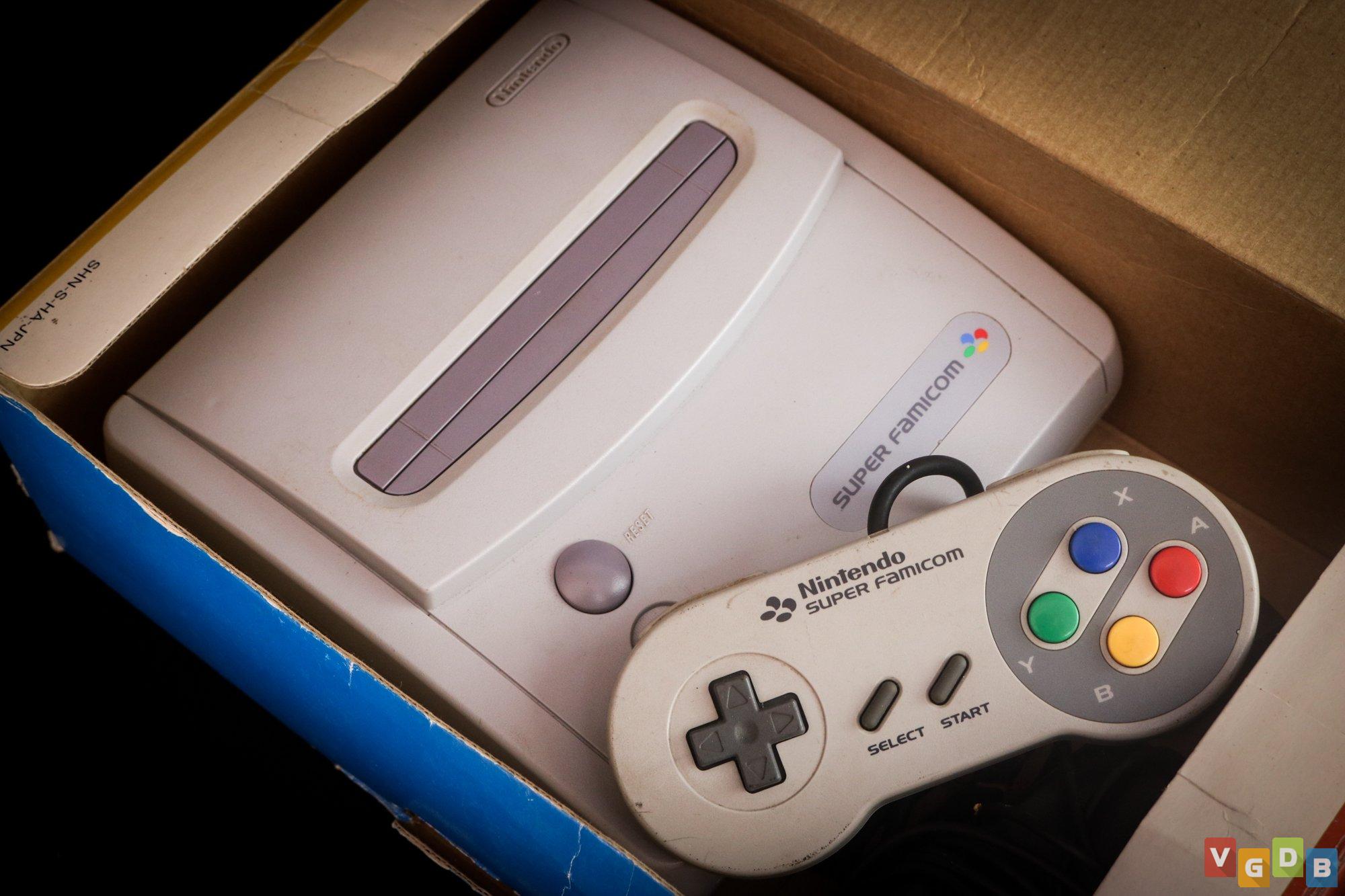
The "Baby" model introduces several notable changes compared with the original SNES:
Reduced dimensions: The housing is smaller and lighter, with rounded lines reminiscent of the Japanese design.
Relocated switches and omitted eject button: Power and reset were moved to the left. The familiar cartridge eject mechanism was removed, so users must pull cartridges by hand.
Cost-cutting omissions: There is no power LED, the bottom expansion port is gone (making accessories like the Satellaview incompatible), and the internal RF modulator was removed. Only a composite video output remains; S-Video and RGB pins exist on the board but are not connected.
Unified board: The use of a SoC simplified the motherboard. Despite being streamlined, the console retains full compatibility with the entire library and with most peripherals, such as the SNES Mouse and Super Multitap.
Improved picture: The revision uses a new video encoder that delivers a sharper and more vibrant image than earlier SNES revisions, even through composite output. This makes the SNS-101 popular among collectors. Enabling S-Video or RGB requires technical modifications and should be undertaken by professionals.
Updated controller: The bundled controller (model SNS-102) replaces the "Super Nintendo Entertainment System" branding with a molded Nintendo logo, retaining region-specific button colors - purple in North America and multicolored in Japan and Europe.
Naming variations and presence in Brazil
In North America, the revision was simply marketed as the Super Nintendo Entertainment System, while in Japan it was called Super Famicom Jr. In Brazil, importers and gamers nicknamed it "Super Nintendo Baby" or "Super Nintendo Compacto" due to its reduced size. This nickname appeared in gaming magazines and electronics stores in the late 1990s.
The official distributor of Nintendo products in Brazil, Playtronic (a joint venture between Gradiente and Estrela), handled the original SNES but did not officially release the SNS-101. Imported units were sold through the grey market and specialty shops. Since there was no official release, genuine models are uncommon in Brazil. Moreover, Nintendo warned consumers about pirate consoles that closely resembled the SNS-101, advising buyers to verify authenticity.
Relationship with other products and legacy
Design influence: The original SNES controller introduced features like the diamond-shaped ABXY layout and shoulder buttons, which influenced subsequent controllers for PlayStation, Dreamcast and Xbox. The SNS-101 inherits this legacy while refining its appearance.
Compatibility with iconic games: The SNES library boasts classics such as Final Fantasy VI, Donkey Kong Country, EarthBound, Super Metroid and Yoshi's Island, all fully compatible with the compact model.
Comparison with SNES Classic Edition: In 2017, Nintendo released the Super NES Classic Edition, a modern mini-console with 21 pre-installed games and HDMI output. Although both are compact, the Classic Edition does not accept cartridges and relies on emulation. The New-Style Super NES remains an option for those who prefer physical media.
Collectors' market: Demand for SNS-101 and SHVC-101 units has risen due to improved video quality and nostalgic appeal. Rarity and potential for careful modifications have increased the model's value but also the risk of counterfeits. Buyers should research trustworthy sellers and avoid imitation units.
Conclusion
The Super Nintendo Baby, officially known as the New-Style Super NES, represents the final chapter of Nintendo's 16-bit console. Designed to be affordable and compact, it preserved the rich game library while shedding non-essential features. Its improved video output and distinctive form factor endear it to collectors and retro enthusiasts. Despite lacking an RGB output and power LED, the SNS-101 maintains the SNES experience for those who continue to enjoy cartridge-based gaming. Prospective buyers should verify authenticity and understand that hardware modifications, such as enabling RGB, require professional expertise.