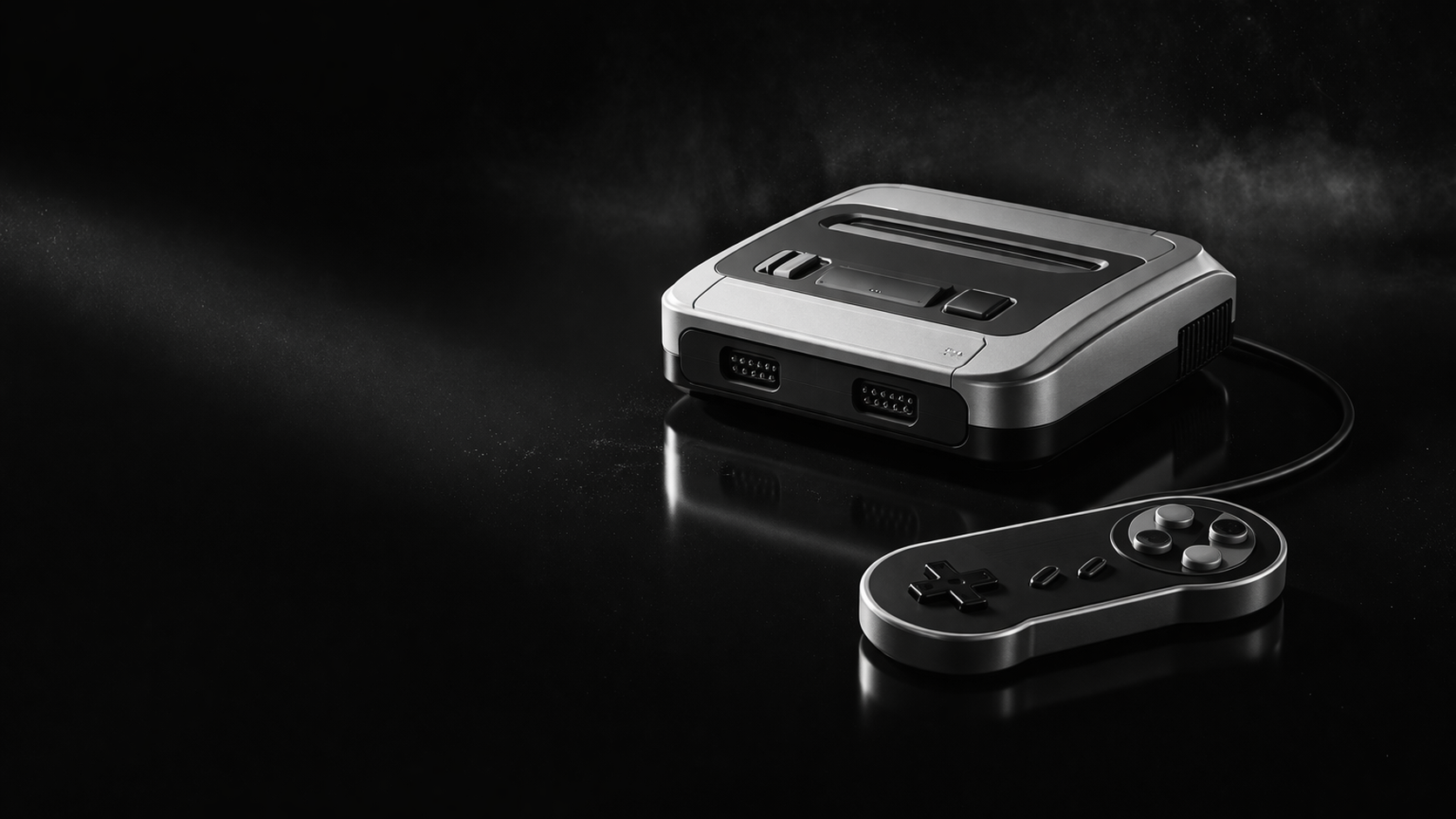
Mini Super Nintendo: nostalgia, hardware, and legit ways to revisit classics
Interest in Nintendo's mini console keeps climbing because it offers a legal, practical shortcut back to the 16-bit era.

By GANM OLS Editorial Team
GANM OLS Editorial
Updated: March 20, 2026 at 01:27 PM
The rise of mini consoles brought back a strong wave of nostalgia for games from the 1990s and 2000s. One of the most searched devices in that category is the Mini Super Nintendo, a compact and modern take on the Super Nintendo Entertainment System. Search terms connected to the console recently surged again in Brazil, showing that curiosity around the device remains high. Unlike irregular downloads or loose emulator packs, the SNES Classic Edition - its official name in the United States - is a legitimate Nintendo product for players who want a clean and legal way to revisit classics.
What is the Mini Super Nintendo?
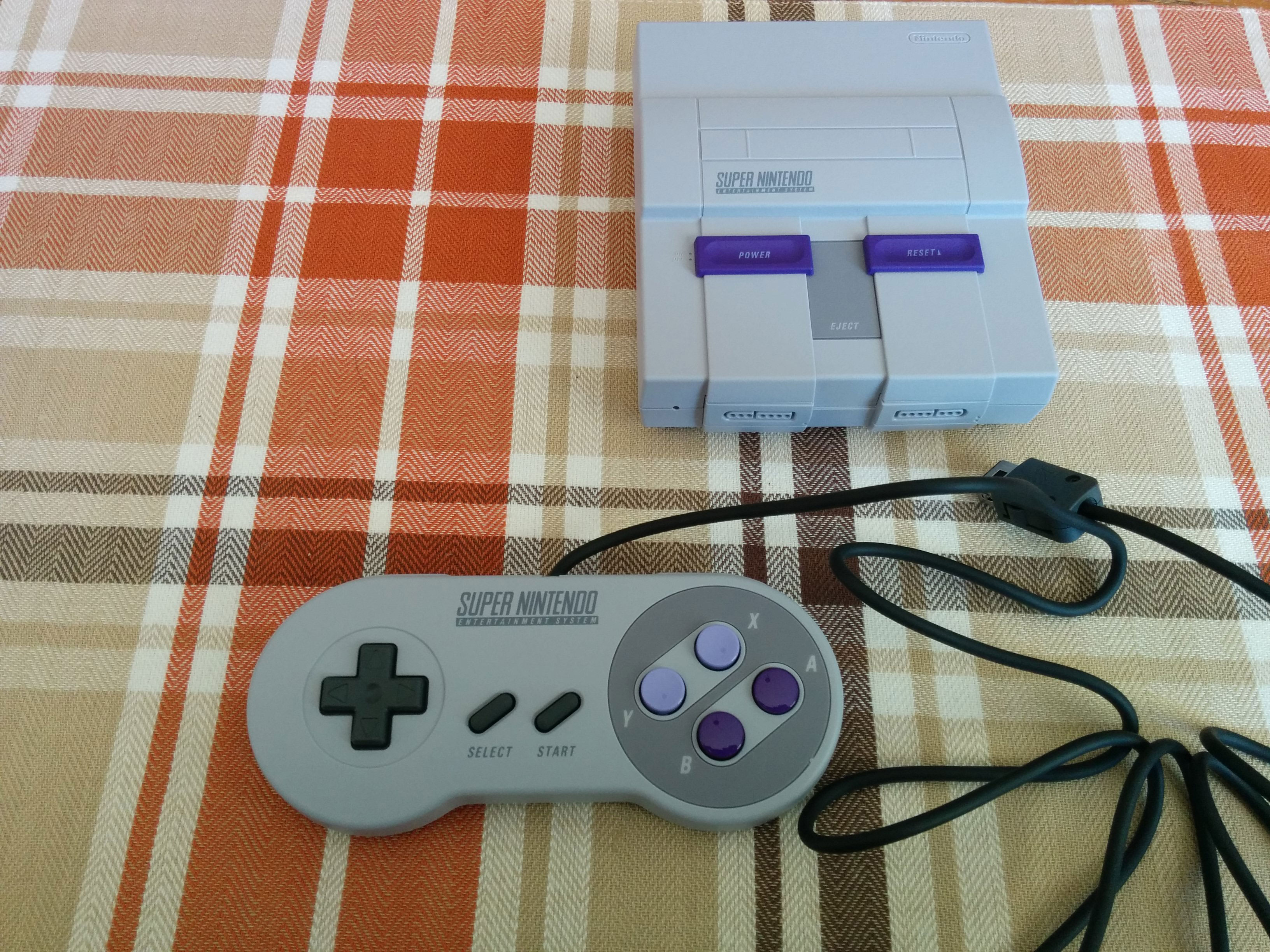
Originally released in September 2017, the Super NES Classic Edition is a dedicated version of the SNES manufactured by Nintendo itself. The device emulates the original 16-bit console hardware and comes with 21 built-in games, including the first official release of Star Fox 2. Launch dates varied by territory: September 29, 2017 in North America and Europe, September 30 in Australia, and October 5 in Japan.
Design and components
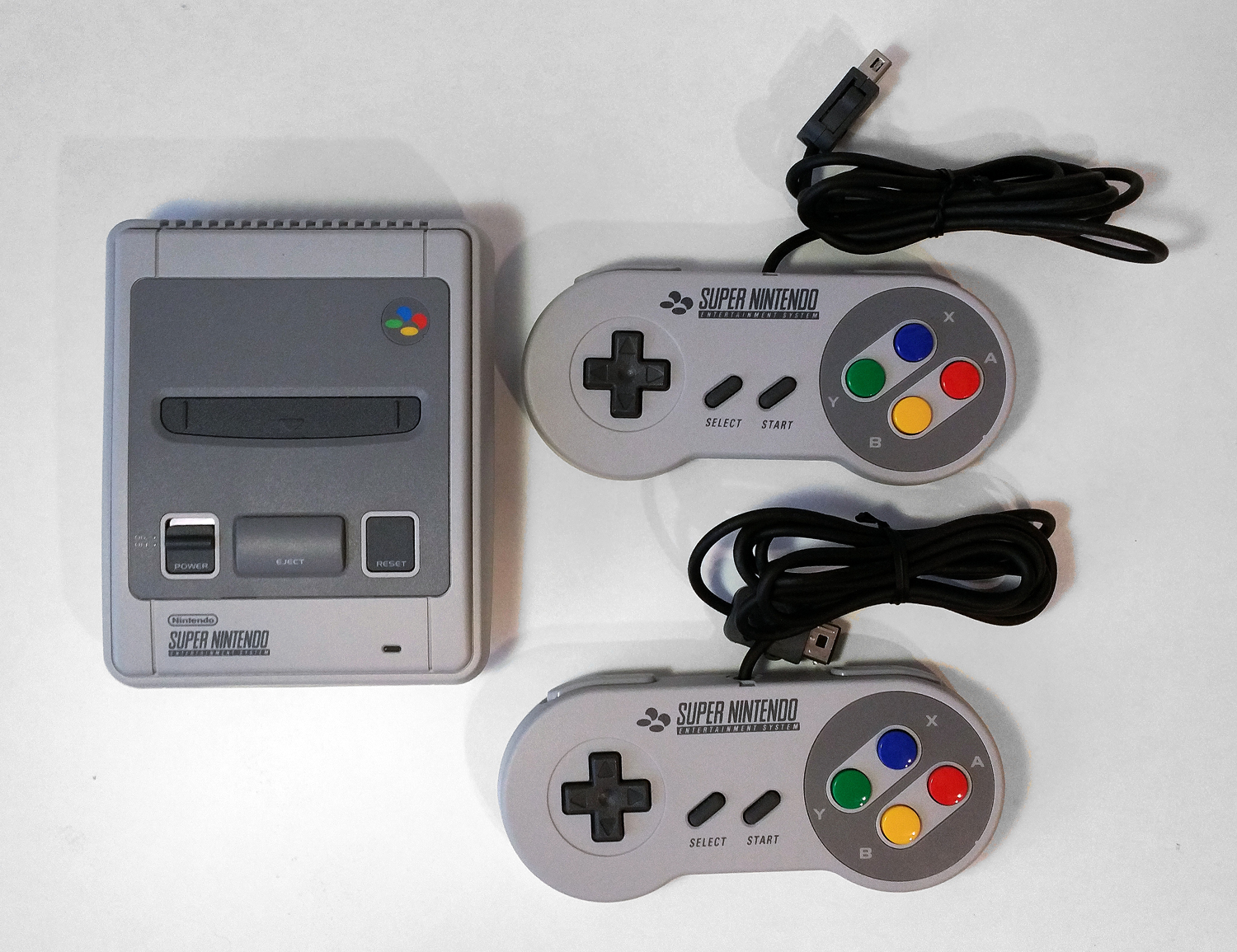
The Mini's visual design changes depending on region. The North American unit echoes the classic gray-and-purple SNES, while the European and Japanese versions follow the rounded shape of the Super Famicom. Internally, the console uses an Allwinner R16 system-on-a-chip with four ARM Cortex-A7 cores, 512 MB of flash storage, and 256 MB of DDR3 memory. It outputs HDMI at 720p and 60 Hz, and includes two controller ports. Official controllers use 1.4-meter cables and are also compatible with Wii and Wii U hardware. As on the original console, two controllers are included in the box, but here they connect through a hidden front panel that sits behind a decorative flap.
Launch price and units sold
The SNES Classic launched at US$79.99 in the United States, with equivalent pricing in other regions. Nintendo sold roughly 5.28 million units by January 2018. Official production ended in December 2018, which helps explain why authentic units are now relatively scarce among resellers.
Included games
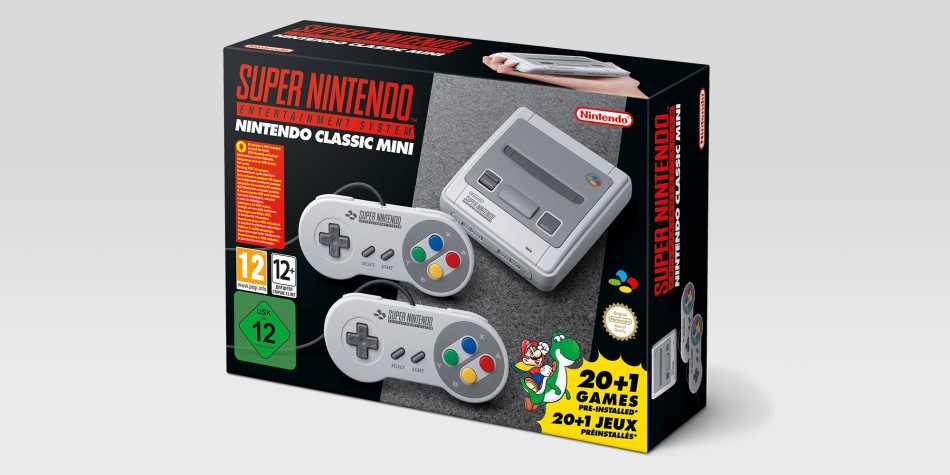
One of the Mini Super Nintendo's strongest points is its curated software lineup. Nintendo said the selection was built to provide a diverse mix of recognizable and popular games. The 21 titles include classics like Contra III: The Alien Wars, Donkey Kong Country, Kirby Super Star, and Super Mario World. The collection also includes The Legend of Zelda: A Link to the Past, Final Fantasy III (VI), Secret of Mana, Super Metroid, and Yoshi's Island. Western versions also include the first official release of Star Fox 2, a project that had been canceled in the 1990s and becomes available once the player clears the opening stage of Star Fox.
Comparing it with the original Super Nintendo
The 1990 Super Nintendo defined the 16-bit generation through real stereo sound, layered scrolling backgrounds, and twice the internal memory of the NES. Its processor and DSP chip enabled effects like the famous Mode 7, which twists and rotates 2D elements to create pseudo-3D tracks in games like Super Mario Kart. The original controller also helped set a new standard by adding four face buttons and two shoulder buttons. The system used physical cartridges and eventually accumulated more than 500 licensed releases.
The Mini Super Nintendo removes the need for cartridges entirely. It runs Nintendo-developed emulators and stores every included game internally. With HDMI output, it displays those games on modern screens and ships with 21 built-in titles, but it does not officially support adding extra software. While the original SNES remains a more interesting option for collectors and hardware enthusiasts, the Mini is the practical and legal solution for players who simply want to revisit a handful of classics without dealing with cartridges, analog video cables, or older hardware maintenance.
Official ways to play Super Nintendo games today
Beyond the SNES Classic itself, Nintendo also offers Super Nintendo software through Nintendo Classics, which is included with Nintendo Switch Online. According to public references, Nintendo Classics launched in 2018 and lets subscribers access games from the NES, Super NES, Game Boy, and Game Boy Color libraries on Nintendo Switch. An expansion released in 2021 later added Nintendo 64, Sega Genesis, Game Boy Advance, and Virtual Boy titles. Games remain available while the subscription is active, and users need to connect to the internet periodically to preserve access. The service also adds modern conveniences such as online multiplayer, control remapping, save states, and rewind support.
For Brazilian consumers, there are currently three main legal routes: acquire an original SNES Classic through import stores or collectors, remembering that official production ended in 2018 and counterfeit units do exist; buy a Nintendo Switch or Switch 2 and subscribe to Nintendo Switch Online to access Nintendo Classics apps with SNES software; or look for official re-releases, remasters, and remakes sold digitally through services like the eShop and other contemporary storefronts.
Why is Mini Super Nintendo trending again?
The recent surge around the term Mini Super Nintendo comes from several directions at once: childhood nostalgia, retro collecting, and curiosity driven by new developments in Nintendo's modern ecosystem, including continued growth around Nintendo Classics on newer hardware. On top of that, the limited supply of authentic SNES Classic units and the popularity of retro content across social media keep the search volume alive. It is still important to stay away from websites promising ROM downloads or questionable emulator bundles, since those routes can violate copyright and usually lead to a worse overall experience. Legal and secure options should remain the priority.
Collector tips and care advice
If you plan to buy a Mini Super Nintendo or an original SNES, a few basic precautions matter.
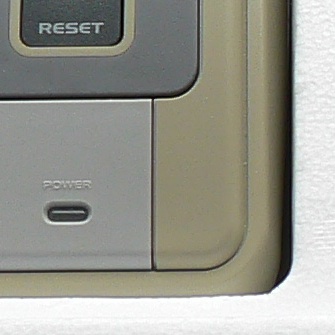
Check authenticity: buy from reliable sellers and ask for detailed photos. Original units should show Nintendo branding and expected certifications. Counterfeits usually have lower build quality and may create legal and technical problems.
Preserve hardware properly: keep consoles in dry, clean spaces away from direct sunlight. Clean connectors with appropriate products and avoid opening the hardware if you do not know exactly what you are doing.
Think about market value with balance: sealed units or exceptionally preserved examples may appreciate over time, but consoles are entertainment objects first. Buy them to play and appreciate them, not only as speculative investments.
Conclusion
The Mini Super Nintendo is an accessible celebration of the 16-bit era. With design cues borrowed from the original console, modernized hardware, and a carefully selected library of 21 classic games, it serves both longtime fans and newer players who want to understand why titles like Super Mario World and The Legend of Zelda: A Link to the Past remain so beloved. Beyond the SNES Classic itself, Nintendo Classics broadens the legal supply of Super Nintendo software with modern features, reinforcing that nostalgia can still be revisited in a responsible and legitimate way.